Vertebrate Pest Management in NSW: A Responsible and Lawful Approach
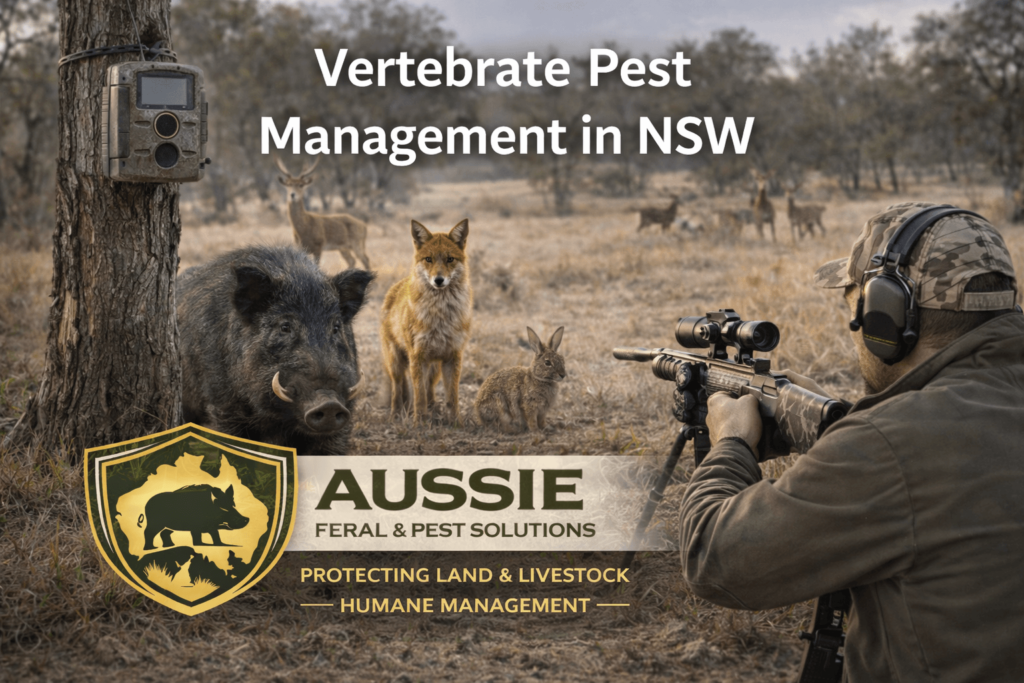
Vertebrate pest management plays an important role in protecting agricultural land, livestock, native ecosystems, and rural infrastructure across New South Wales. Species such as feral pigs, deer, foxes, wild dogs, goats, and rabbits can cause significant damage when populations are not managed appropriately.
Effective vertebrate pest management focuses on responsible planning, lawful methods, and long-term outcomes rather than short-term solutions. When approached correctly, it supports landholders in reducing pest pressure while meeting safety, animal welfare, and regulatory expectations.
What Is Vertebrate Pest Management?
Vertebrate pest management refers to the planned control of animal species that negatively impact agriculture, the environment, or biosecurity. In NSW, this work must be carried out in accordance with:
-
State and federal legislation
-
NSW Local Land Services (LLS) guidelines
-
Animal welfare standards
-
Property-specific permissions and conditions
The aim is not eradication, but population management, helping to reduce ongoing damage and minimise future impacts.
Common Vertebrate Pest Species in NSW
Across New South Wales, landholders may face challenges from a range of vertebrate pest species, including:
-
Feral pigs damaging crops, soil, and waterways
-
Deer impacting fencing, pasture, and native vegetation
-
Foxes and wild dogs affecting livestock and wildlife
-
Feral goats contributing to overgrazing and erosion
-
Rabbits causing pasture loss and soil degradation
Each species requires a considered approach based on location, terrain, season, and surrounding land use.
Lawful and Responsible Control Methods
Vertebrate pest management in NSW must be conducted lawfully and responsibly. Control methods are selected based on suitability, safety, and compliance, and may involve a combination of techniques depending on the situation.
All activities must consider:
-
Public and property safety
-
Environmental impact
-
Animal welfare requirements
-
Landholder consent and planning
Seeking guidance and operating within established frameworks helps ensure that management actions align with current regulations and accepted best-practice standards.
Importance of Animal Welfare
Animal welfare is a key consideration in vertebrate pest management. Responsible practices focus on minimising unnecessary suffering and avoiding non-target species.
Best-practice planning includes:
-
Species-appropriate management strategies
-
Consideration of weather, terrain, and visibility
-
Avoidance of sensitive areas and non-target wildlife
-
Ongoing assessment of outcomes and effectiveness
A measured approach supports both ethical responsibility and long-term effectiveness.
Working With Landholders and Property Managers
Successful vertebrate pest management relies on clear communication and cooperation. Before any activity is undertaken, it is important to discuss:
-
Property boundaries and access
-
Target species and management goals
-
Safety considerations
-
Timing and seasonal factors
-
Any permits or approvals that may apply
This ensures transparency, compliance, and realistic expectations for all parties involved.
Integrated Pest Management Strategies
Vertebrate pest management is most effective when used as part of a broader, integrated strategy. This may include monitoring, coordinated programs with neighbouring properties, fencing improvements, and ongoing assessment of pest activity.
A long-term approach helps reduce repeated damage and supports sustainable land management across regions.
Operating Responsibly Across NSW
As pest pressures and land-use conditions vary throughout New South Wales, management strategies must be adapted accordingly. Responsible approaches recognise these differences and consider regulatory obligations and practical considerations before any control activity is commenced.
Understanding local conditions and requirements helps landholders make informed decisions and manage pest issues more effectively over time.
Conclusion
Vertebrate pest management is an important component of responsible land and environmental stewardship in NSW. When planned carefully and carried out lawfully, it supports agricultural productivity, protects natural ecosystems, and helps landholders manage ongoing pest challenges.
Access to clear information and compliance-focused planning allows landholders to better understand available options and make informed decisions suited to their property and region.