Aussie Feral & Pest Solutions
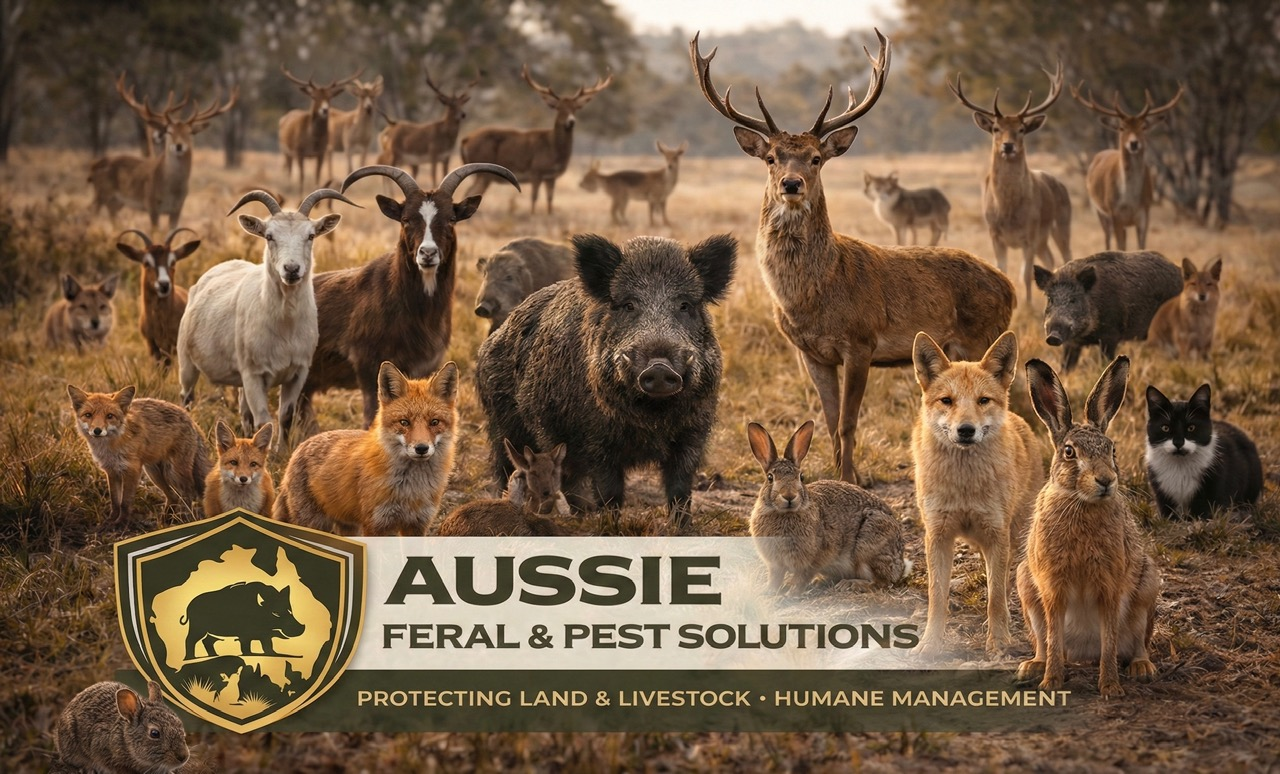
Professional Feral & Pest Animal Contract Shooting Across NSW
Aussie Feral & Pest Solutions is being established to deliver responsible and compliance-focused feral and pest animal management solutions for rural landholders across New South Wales.
We are working towards providing professional support to farmers, graziers, property owners, and rural businesses to help manage the impacts of feral species that cause damage to land, livestock, crops, fencing, and native ecosystems.
All firearms-based pest animal control activities will commence only after the completion of required NSW regulatory approvals.
Our Approach
Our focus is simple:
Responsible and compliant pest management
Clear communication with landholders
Humane and lawful control methods
Services designed to fit within broader property and biosecurity plans
Protecting Land, Livestock, and Rural Assets
Feral and pest animals are a growing issue across NSW. When unmanaged, they can contribute to:
Loss of livestock, including newborn lambs
Crop and pasture damage
Soil erosion and land degradation
Fence, dam, and infrastructure damage
Increased pressure on native wildlife
Our role is to support landholders with planned and targeted pest management programs, developed in consultation with property owners and aligned with relevant NSW requirements.
Service Coverage – New South Wales
We are based in Sydney and intend to service rural properties across NSW within an approximate 750 km operating radius, including:
Greater Sydney & Western Sydney
Central West NSW
Hunter Valley & Upper Hunter
Southern Tablelands
South Coast NSW
Riverina (selected areas)
Far West NSW (by arrangement)
All future work will be undertaken only with landholder permission and where lawful, in accordance with applicable NSW legislation and licensing requirements.
Feral & Pest Species (NSW)
We are preparing to assist landholders with the management of priority vertebrate pest species that are known to cause significant agricultural and environmental impacts in NSW.
(Specific services and methods will be confirmed once regulatory approvals are finalised.)
Feral Pigs: One of the Biggest Pest Problems in NSW
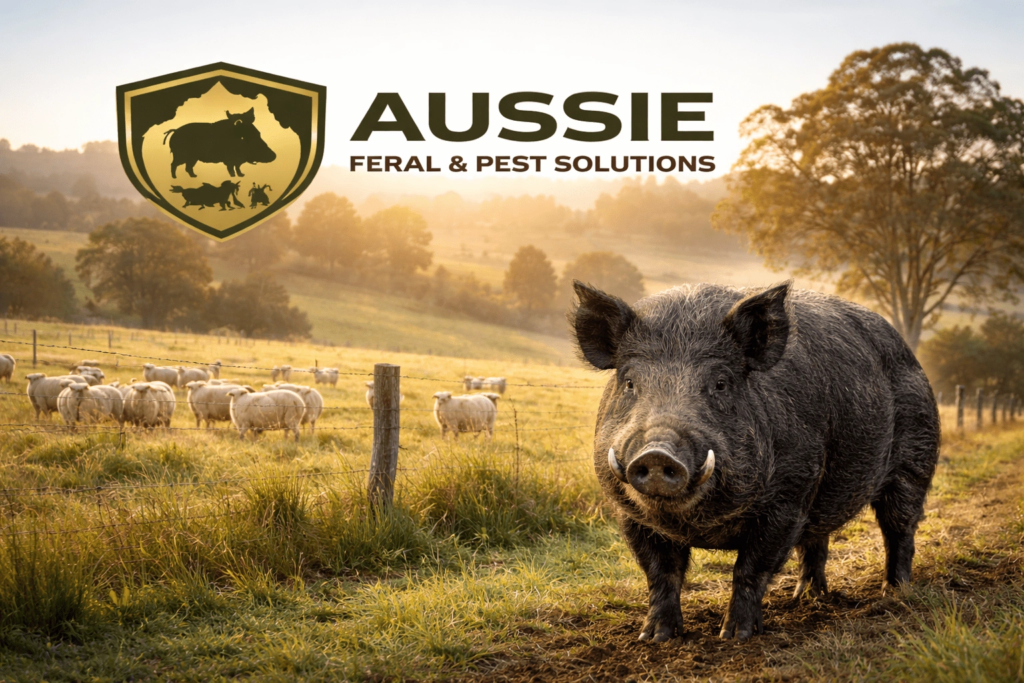
Feral Pigs (Sus scrofa)
Feral pigs are widely recognised as one of the most damaging invasive pest species affecting rural land across New South Wales. Their presence can have significant impacts on agricultural productivity, infrastructure, and the environment, particularly following wet seasons when populations can increase rapidly.
Because of their feeding and movement behaviour, feral pigs are capable of causing extensive damage in a short period of time.
Damage to Crops and Pasture
While foraging, feral pigs disturb large areas of soil, often causing substantial damage to paddocks and cropped land.
Common impacts observed by landholders include:
Crops uprooted or eaten before harvest
Pasture areas torn up and rendered unusable
Newly seeded paddocks damaged
Increased weed spread due to soil disturbance
Once pigs move through an area, land recovery can take considerable time and may require re-seeding and repairs.
Impact on Livestock and Farm Infrastructure
Feral pigs are opportunistic animals and may pose risks to livestock, particularly during lambing and calving seasons.
Reported issues include:
Predation on newborn lambs and goats
Damage to fencing, yards, and water points
Contamination of dams and troughs
Creation of wallows that present hazards to stock and farm machinery
These impacts can lead to increased maintenance costs and heightened biosecurity concerns for property owners.
Environmental and Land Degradation Considerations
The rooting and wallowing behaviour of feral pigs can contribute to longer-term environmental degradation, including:
Soil erosion and compaction
Damage to creek banks and wetland areas
Degradation of native vegetation
Reduced land productivity over time
Once established, feral pig populations can be challenging to manage without a planned and coordinated approach.
Why Early Management Is Important
Feral pigs reproduce quickly, and even small populations can expand rapidly if left unmanaged. Early identification and planning can help reduce:
Ongoing repair and recovery costs
Loss of agricultural productivity
Long-term pressure on livestock and land resources
Addressing pig activity early is generally more effective than responding once populations become widespread.
Feral Deer: A Growing Problem Across New South Wales
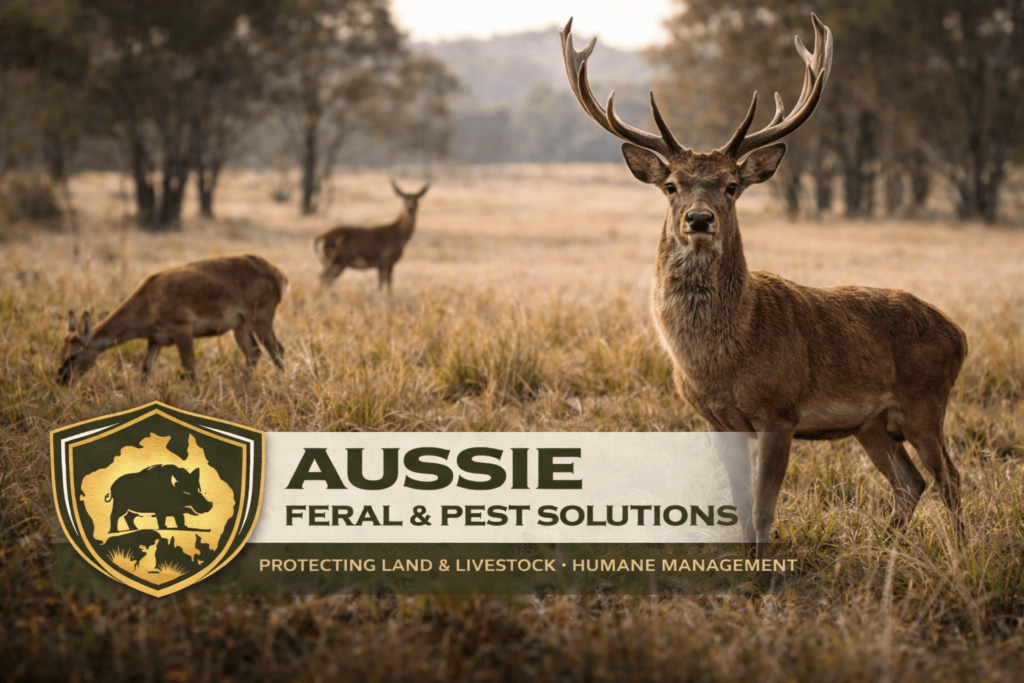
Feral Deer in New South Wales (NSW)
Species, impacts, and landholder considerations
Feral deer populations are increasing across many parts of New South Wales, creating growing challenges for rural landholders, peri-urban properties, and environmental areas. Once limited to isolated locations, deer are now spreading into farming districts, mixed-use land, and conservation areas, where their impacts can be significant if left unmanaged.
Several feral deer species are now established in NSW, including:
Fallow deer
Red deer
Rusa deer
Sambar deer
Chital deer
Hog deer
As populations expand, deer activity is becoming an increasingly important consideration in property management and biosecurity planning.
Impacts of Feral Deer on Pasture and Crops
Feral deer place ongoing pressure on agricultural land through grazing, trampling, and movement across paddocks.
Common impacts observed across NSW include:
Loss of pasture due to sustained grazing
Damage to crops, vineyards, and orchards
Browsing of young plants and seedlings
Trampling of paddocks, particularly during wet conditions
In higher numbers, deer can compete directly with livestock for feed, reducing carrying capacity and overall farm productivity.
Fence and Farm Infrastructure Damage
Deer frequently damage fencing while moving between properties or during seasonal breeding activity.
This may result in:
Broken or flattened boundary and internal fences
Escaped livestock
Increased repair and maintenance costs
Safety concerns near roads, laneways, and access tracks
Larger deer species are capable of causing substantial damage in a short period of time, particularly where fencing is not designed for wildlife pressure.
Livestock, Biosecurity, and Safety Considerations
While feral deer are generally not aggressive, their presence can contribute to broader farm management and biosecurity concerns, including:
Competition with livestock for feed and water
Contamination of pasture and water sources
Increased risk of disease transmission
Higher risk of vehicle strikes on rural roads
As deer populations expand, these issues are becoming more common across both regional and peri-urban NSW.
Environmental Impacts of Feral Deer
Beyond agricultural land, feral deer can cause longer-term environmental damage through:
Browsing and suppression of native vegetation
Damage to creek lines and riparian zones
Soil erosion in sensitive areas
Reduced regeneration of bushland and shelter belts
Their impacts often extend beyond individual properties into surrounding landscapes and ecosystems.
Why Feral Deer Management Is Important
Feral deer breed steadily and disperse over large areas. Without planned management, populations can increase to levels that are difficult and costly to address.
Early identification and considered management planning can help:
Reduce long-term land degradation
Protect pasture and crop production
Limit infrastructure damage and repair costs
Support broader land and biosecurity objectives
Addressing deer activity early is generally more effective than responding once populations become well established.
Approach to Feral Deer Management Planning
Aussie Feral & Pest Solutions is preparing to support landholders across Sydney and regional New South Wales (within an approximate 750 km operating radius) with compliance-focused feral deer management planning.
Our approach is centred on:
Understanding deer activity and property-specific impacts
Working with landholders to assess management needs
Supporting lawful, responsible, and humane management frameworks
Aligning with broader land, livestock, and biosecurity goals
All firearms-based feral deer control activities will commence only after all required NSW regulatory approvals are granted, and only with landholder permission and in accordance with applicable legislation.
Important note for landholders
If feral deer activity is affecting your property, early assessment and planning can help limit damage and long-term costs.
Feral Goats: Ongoing Pressure on Pasture and Land

Feral Goats in New South Wales (NSW)
Feral goats are a widespread and persistent issue across many parts of New South Wales, particularly in semi-arid, rangeland, and mixed grazing regions. While they are often considered less destructive than feral pigs or deer, unmanaged goat populations can place ongoing pressure on pasture, water resources, and fragile grazing land.
Their impacts are often gradual but long-lasting, especially during dry periods and in areas already under grazing stress.
Competition With Livestock
Feral goats compete directly with sheep and cattle for feed and water. This competition becomes more pronounced during dry conditions, when pasture availability is already limited.
Common issues associated with feral goat activity include:
Reduced pasture availability
Increased grazing pressure during dry seasons
Loss of feed intended for livestock
Additional stress on property carrying capacity
Because goats are selective feeders, they often target the most nutritious plants first, which can alter pasture composition over time.
Land Degradation and Soil Impacts
One of the primary concerns with feral goats is their effect on ground cover and soil stability.
Goat activity can contribute to:
Grazing plants down to ground level
Inhibited natural pasture recovery
Soil erosion on slopes and along creek lines
Increased runoff and loss of topsoil
Over time, these impacts can reduce overall land condition and increase rehabilitation costs for landholders.
Fencing and Infrastructure Damage
Feral goats are agile animals and regularly move across properties in search of feed and water. In doing so, they may place pressure on fencing and infrastructure.
This can result in:
Broken or weakened fences
Livestock escaping or mixing between paddocks
Increased maintenance and repair requirements
Added pressure on dams, troughs, and yards
Environmental Considerations
Beyond agricultural land, feral goats can also impact native vegetation by browsing shrubs and young trees. This limits regeneration and may reduce shelter for both livestock and native wildlife.
Such impacts are often more noticeable in sensitive landscapes and during extended dry periods.
Why Feral Goat Management Is Important
Feral goats breed steadily and are capable of rebuilding numbers quickly if left unmanaged. Without planned management, populations may expand into neighbouring properties, increasing long-term pressure on land and resources.
Managing goat numbers can help landholders:
Protect pasture and soil condition
Reduce pressure on water sources
Support sustainable grazing systems
Limit future repair and recovery costs
Early identification and planning are generally more effective than responding once populations become well established.
Approach to Feral Goat Management Planning
Aussie Feral & Pest Solutions is preparing to support landholders across Sydney and regional New South Wales with feral goat management planning that aligns with broader property and biosecurity objectives.
Our focus is on:
Understanding property-specific goat activity
Supporting practical, long-term grazing management
Reducing pressure on pasture and water resources
Ensuring all activities are approached responsibly and lawfully
Important note for landholders
If feral goats are placing pressure on your land, early assessment and planning can help protect pasture condition and reduce long-term degradation.
Rabbits and Hares: A Real Problem for Australian Farmers
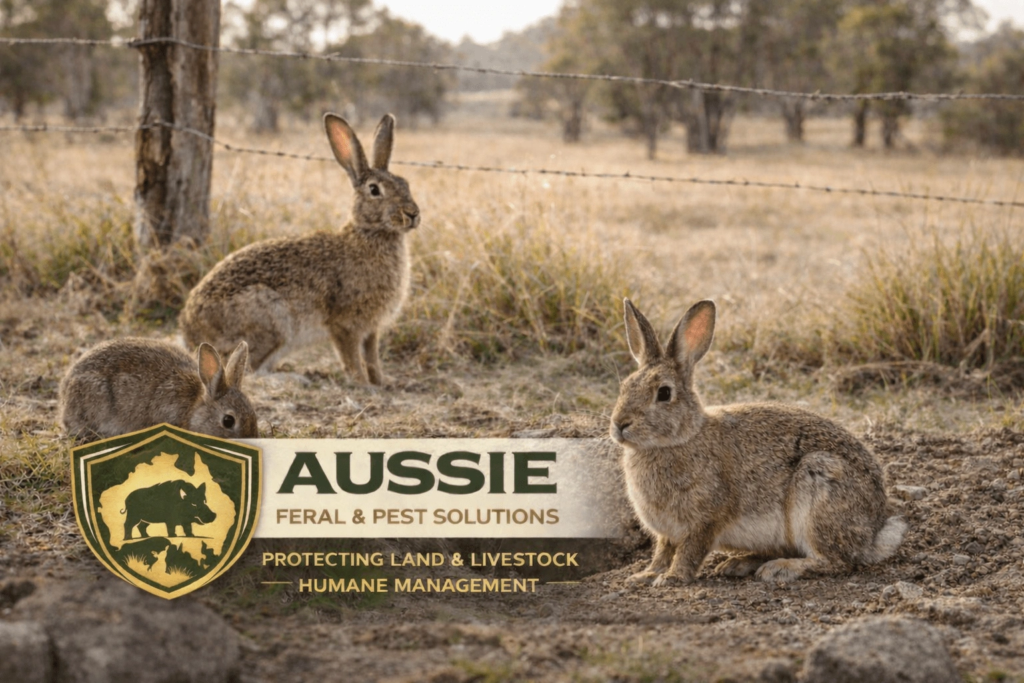
Small Mammals and Long-Term Property Damage in NSW
Small pest mammals such as rabbits and hares are a persistent issue for rural landholders across New South Wales. While often underestimated, these species can cause significant and ongoing damage to pastures, crops, fencing, and soil structure when populations are left unmanaged.
As part of broader vertebrate pest management planning, understanding the impacts of rabbits and hares is essential for protecting agricultural land and maintaining long-term productivity.
Why Rabbits Are a Major Issue in New South Wales
European rabbits are recognised as a declared pest animal in NSW. Their ability to breed rapidly means that even small populations can expand quickly, leading to widespread land degradation.
Common impacts reported by landholders include:
Loss of pasture due to overgrazing
Competition with livestock for available feed
Extensive burrowing that weakens soil structure
Damage to fence lines, roads, dams, and irrigation banks
Failure of pasture regeneration and re-seeding efforts
Rabbit warrens undermine the ground, increasing erosion and creating safety risks for livestock and farm machinery. These impacts often accumulate gradually, making early identification and planning particularly important.
Hares and Their Impact on Cropping Properties
European brown hares are less visible than rabbits but can be equally damaging, particularly on cropping and mixed-farming properties.
Hares are commonly associated with:
Damage to cereal crops, vineyards, and orchards
Grazing of young trees, seedlings, and vegetable crops
Reduced yields due to feeding during early growth stages
Repeated losses across planting and establishment periods
Because hares are most active at dawn and dusk, their presence is often detected only after damage has already occurred.
Long-Term Land and Environmental Degradation
Ongoing grazing pressure from rabbits and hares contributes to long-term land degradation across many rural areas of NSW.
Typical long-term impacts include:
Loss of ground cover and increased soil erosion
Decline in soil quality and structure
Reduced carrying capacity of grazing land
Increased costs associated with pasture repair and re-seeding
Without a planned approach, these impacts can compound over time, reducing both productivity and land value.
The Importance of Lawful Pest Management Planning
Rabbits and hares are declared pest animals in NSW, and landholders have a responsibility to manage their impacts in accordance with state regulations.
Effective management is most successful when it forms part of a lawful and coordinated vertebrate pest management strategy, tailored to the property and surrounding environment. Early intervention and informed planning are widely recognised as more effective than reactive measures once populations become established.
Context Within Broader Pest Management in NSW
Issues caused by rabbits and hares are often managed alongside other priority pest species affecting NSW landholders, including:
Feral pigs
Foxes
Wild dogs
These species collectively contribute to agricultural losses, biosecurity risks, and environmental degradation across regional NSW. Integrated planning helps reduce long-term impacts on land, livestock, and rural infrastructure.
Feral Dogs, Dingoes, Hybrids & Foxes
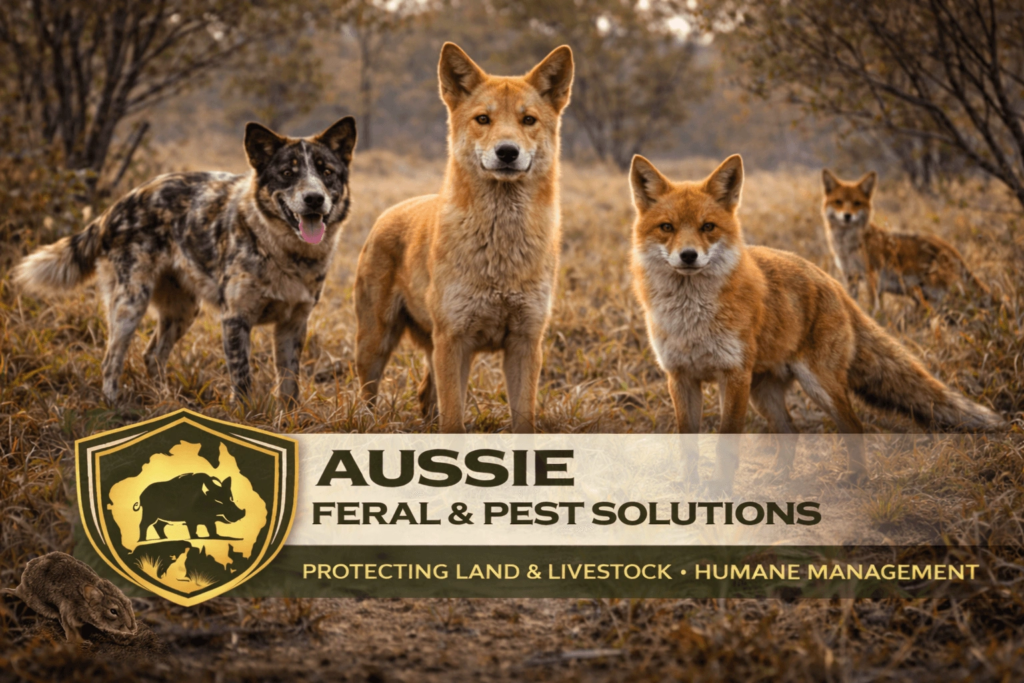
Wild Dogs, Dingoes, Hybrids and Foxes in NSW
Wild dogs, dingo hybrids and European red foxes are among the most significant predator pest species affecting rural properties across New South Wales. These animals present a serious threat to livestock production and native wildlife, particularly in sheep, goat and mixed-farming regions.
Their impact is often sudden and costly, with losses commonly occurring during lambing and kidding seasons. Due to their mobility and adaptability, predator activity can be difficult to manage without informed planning and coordination.
A Serious Threat to Livestock and Rural Enterprises
Wild dogs and dingo hybrids are responsible for substantial livestock losses across NSW, particularly in regional, tablelands and grazing areas.
Common impacts reported by landholders include:
Attacks on lambs, kids and calves
Injured stock requiring veterinary treatment or euthanasia
Stress-related stock losses following predator activity
Disruption to breeding, grazing and paddock management
Even isolated incidents can result in ongoing financial loss and operational disruption for rural properties.
European Red Fox – Ongoing Pressure on Lambing and Poultry
The European red fox remains a widespread predator across both rural and semi-rural areas of New South Wales.
Fox activity is commonly associated with:
Predation on newborn lambs and poultry
Reduced lamb survival rates
Pressure on native wildlife populations
Activity around sheds, yards and homesteads
As foxes are predominantly nocturnal, their presence is often underestimated until stock losses are identified.
Biosecurity and Property Safety Considerations
Beyond direct livestock losses, predator species such as wild dogs and foxes can contribute to broader property management challenges, including:
Increased biosecurity risks
Contamination of feed and water points
Vehicle strike risks on rural roads
Ongoing pressure on neighbouring properties
Because predator movement frequently crosses property boundaries, coordinated planning between landholders is often necessary.
Why Early Management Is Important
Wild dogs and foxes are highly adaptable and capable of rapid population growth when conditions are favourable. Delayed or unplanned responses can allow numbers to increase, making long-term management more complex and costly.
Early identification and informed planning can help:
Reduce livestock losses
Protect breeding programs
Minimise stress on stock
Support long-term farm viability
Proactive approaches are generally more effective than reactive measures once predator pressure becomes established.
Predator Management Within a Broader NSW Context
Issues associated with wild dogs, dingo hybrids and foxes are commonly addressed as part of broader vertebrate pest management planning across NSW. These predators are often considered alongside other priority pest species impacting rural landholders, including feral pigs and rabbits.
Integrated, lawful management strategies are widely recognised as essential for reducing long-term impacts on livestock, land and rural infrastructure.
Our Approach to Feral & Pest Animal Management
Our Approach to Feral and Pest Animal Management
At Aussie Feral & Pest Solutions, our approach is grounded in measured, practical and humane pest management principles, aligned with recognised vertebrate pest management frameworks used across New South Wales.
We focus on planning and preparation for lawful feral and pest animal management activities that are tailored to individual properties, local conditions and landholder priorities. All firearms-based activities will commence only after the completion of required NSW regulatory approvals.
Principles That Guide Our Approach
Our approach is informed by established best-practice considerations commonly applied in vertebrate pest management, including:
Selection of species-appropriate management methods
A strong emphasis on safety, including the protection of livestock, people and infrastructure
Careful planning to reduce risk to non-target animals and neighbouring properties
Consideration of seasonal conditions, terrain and farm operations
Clear and open communication with landholders throughout the planning process
These principles are intended to support informed decision-making and responsible pest management outcomes over time.
Supporting Broader Property and Biosecurity Planning
Feral and pest animal issues are most effectively addressed as part of a broader, long-term property and biosecurity strategy.
Planned pest management activities are intended to complement existing farm practices and regional biosecurity objectives, rather than replace ongoing land stewardship and property planning.
A Practical and Transparent Approach
As a NSW-based business, we recognise that landholders value clarity, reliability and transparency when discussing pest management options.
Our focus is on:
Clear and upfront communication
Practical, property-specific considerations
Respect for landholders, their operations and working environments
Providing information that supports informed decision-making
Building trust through honest discussion and realistic expectations is central to our approach.
Working Lawfully and Responsibly in New South Wales
All vertebrate pest animal management activities are subject to NSW and Australian laws, regulations and licensing requirements.
Depending on the species involved, property location and local circumstances, specific permits, approvals or authorisations may be required. These requirements can vary across NSW and may involve state or local authorities.
Any applicable regulatory obligations are identified and discussed with landholders before any firearms-based activity is undertaken, ensuring clarity, compliance and responsible conduct at all times.